---
title: Chemical Passivation of Stainless Steel - Pillar Page
description: Discover its benefits, processes, and applications across various industries with Inox Passivation's expertise.
---
[](https://www.inoxpassivation.co.uk/)
[](https://www.inoxpassivation.co.uk/)
- [Home](https://www.inoxpassivation.co.uk)
- About
- [Who We Are](https://www.inoxpassivation.co.uk/who-we-supply-how-we-help)
- Who We Help
- [Pharma & Medical](https://www.inoxpassivation.co.uk/passivation-process-pharmaceutical-industry)
- [Food And Beverage](https://www.inoxpassivation.co.uk/food-and-beverage-biofilm-removal)
- [Power Generation](https://www.inoxpassivation.co.uk/steel-plant-cleaning)
- Services
- [Passivation](https://www.inoxpassivation.co.uk/stainless-steel-passivation-process)
- [Derouging](https://www.inoxpassivation.co.uk/derouging-stainless-steel)
- [Oxygen Cleaning](https://www.inoxpassivation.co.uk/oxygen-cleaning-procedure)
- [Pickling & Passivation](https://www.inoxpassivation.co.uk/pickling-of-stainless-steel)
- [Biofilm Removal](https://www.inoxpassivation.co.uk/biofilm-removal)
- [Riboflavin Testing](https://www.inoxpassivation.co.uk/riboflavin-testing-for-vessels)
- [Pre-Commissioning Flushing](https://www.inoxpassivation.co.uk/chilled-water-system-flushing-procedure)
- [Carbon Steel Pickling](https://www.inoxpassivation.co.uk/pickling-of-carbon-steel-pipe)
- Resources
- [Blog](https://www.inoxpassivation.co.uk/blog)
- [FAQs](https://www.inoxpassivation.co.uk/faqs)
- [Case Study](https://www.inoxpassivation.co.uk/case-study-rapid-system-re-passivation-for-a-pharmaceutical-manufacturer)
- [Downloads](https://www.inoxpassivation.co.uk/downloads)
More results
[Prepare For Your Pharma Audit](https://www.inoxpassivation.co.uk/surface-integrity)
[Prepare For Your Pharma Audit](https://www.inoxpassivation.co.uk/surface-integrity)
- [Home](https://www.inoxpassivation.co.uk)
- About
- [Who We Are](https://www.inoxpassivation.co.uk/who-we-supply-how-we-help)
- Who We Help
- [Pharma & Medical](https://www.inoxpassivation.co.uk/passivation-process-pharmaceutical-industry)
- [Food And Beverage](https://www.inoxpassivation.co.uk/food-and-beverage-biofilm-removal)
- [Power Generation](https://www.inoxpassivation.co.uk/steel-plant-cleaning)
- Services
- [Passivation](https://www.inoxpassivation.co.uk/stainless-steel-passivation-process)
- [Derouging](https://www.inoxpassivation.co.uk/derouging-stainless-steel)
- [Oxygen Cleaning](https://www.inoxpassivation.co.uk/oxygen-cleaning-procedure)
- [Pickling & Passivation](https://www.inoxpassivation.co.uk/pickling-of-stainless-steel)
- [Biofilm Removal](https://www.inoxpassivation.co.uk/biofilm-removal)
- [Riboflavin Testing](https://www.inoxpassivation.co.uk/riboflavin-testing-for-vessels)
- [Pre-Commissioning Flushing](https://www.inoxpassivation.co.uk/chilled-water-system-flushing-procedure)
- [Carbon Steel Pickling](https://www.inoxpassivation.co.uk/pickling-of-carbon-steel-pipe)
- Resources
- [Blog](https://www.inoxpassivation.co.uk/blog)
- [FAQs](https://www.inoxpassivation.co.uk/faqs)
- [Case Study](https://www.inoxpassivation.co.uk/case-study-rapid-system-re-passivation-for-a-pharmaceutical-manufacturer)
- [Downloads](https://www.inoxpassivation.co.uk/downloads)
[Contact Us](https://www.inoxpassivation.co.uk/contact-us)
# **Chemical Passivation of Stainless Steel:**
## Understanding the Process
[Request A Quote](https://www.inoxpassivation.co.uk/request-a-quote)
## Table Of Content
- [Chemical Passivation of Stainless Steel: Understanding the Process](https://www.inoxpassivation.co.uk/chemical-passivation-of-stainless-steel-pillar-page#introduction)
- [How Passivation Works](https://www.inoxpassivation.co.uk/chemical-passivation-of-stainless-steel-pillar-page#how-passivation-works)
- [Passivation Definitions](https://www.inoxpassivation.co.uk/chemical-passivation-of-stainless-steel-pillar-page#passivation-definition)
- [Which Acids Are Used In Passivation?](https://www.inoxpassivation.co.uk/chemical-passivation-of-stainless-steel-pillar-page#acids-used-in-passivation)
- [Step-By-Step: How The Process Works](https://www.inoxpassivation.co.uk/chemical-passivation-of-stainless-steel-pillar-page#how-the-process-works)
- [Benefits of Passivation](https://www.inoxpassivation.co.uk/chemical-passivation-of-stainless-steel-pillar-page#benefits-of-passivation)
- [Applications In Your Sector](https://www.inoxpassivation.co.uk/chemical-passivation-of-stainless-steel-pillar-page#applications-in-your-sector)
- [How We Support You: Inox Passivation's Expertise](https://www.inoxpassivation.co.uk/chemical-passivation-of-stainless-steel-pillar-page#how-we-support-you)
- [Next Steps](https://www.inoxpassivation.co.uk/chemical-passivation-of-stainless-steel-pillar-page#next-steps)
## Chemical Passivation of Stainless Steel: Understanding the Process
**Chemical passivation is a cost-effective strategy for preventing corrosion and damage in stainless steel processing equipment. In this guide from [Inox Passivation](https://www.inoxpassivation.com), we will explain how the process works, why it’s important, and the applications of passivation for various industries.**
Ultimately, passivation is crucial because all steel alloys, including stainless steel, are susceptible to rust. While stainless steel exhibits excellent corrosion resistance due to its chromium content, it can still corrode or develop rust under specific conditions. These conditions may include exposure to processing chemicals, high humidity, or saline environments.
Various methods, such as mechanical grinding and polishing, and abrasive blasting, can remove rust from equipment and machinery in an industrial or commercial context. However, it is important to note that this is a reactive method and can often damage or weaken the metal's surface.
Passivation is a prevention method rather than cure. By strengthening the ‘passive layer’ that protects the application against corrosion, passivation prevents rust from happening, leading to a longer and more productive service life for your assets.
[Speak To An Expert](https://www.inoxpassivation.co.uk/speak-to-an-expert)
## How Passivation Works
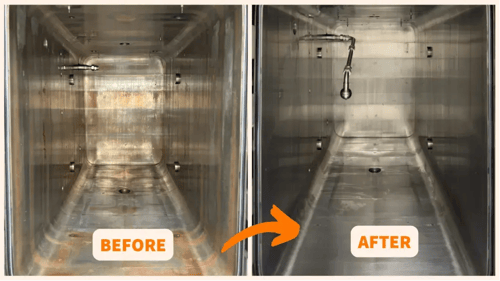
Passivation strengthens stainless steel’s corrosion resistance by creating a stable, chromium-rich oxide layer on its surface. The chromium is constantly oxidising providing a barrier against further oxidation. Effective chemical passivation requires a meticulous two-step process:
### Step 1 - Cleaning:
The first step is to completely clean the stainless steel surface. This removes any dirt, grease, oils, or existing rust that could interfere with the passivation process. Alkaline or acidic cleaning solutions are typically used here.
### Step 2 - Chemical Passivation:
- This step builds on the initial cleaning which optimises the surface by removing any extraneous ferrous debris and leaving a chromium rich surface to form a dense passive layer. This is done by using chemicals that remove any remaining corrosive materials that may be present.
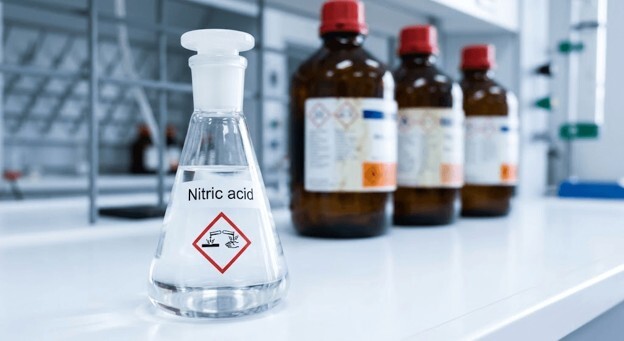
- Chemicals such as nitric acid, citric acid or phosphoric acid can be used for passivation.
- After this step the system is drained and rinsed with purified water and checked for cleanliness.
---
## Passivation definitions
Stainless steel resists rust because it naturally forms a protective layer of chromium oxide. Passivation is a process that strengthens this layer, making the steel even more resistant to corrosion.
Stainless steel resists rust because it naturally forms a protective layer of chromium oxide. Passivation is a process that strengthens this layer, making the steel even more resistant to corrosion.
Passivation is a chemical bath that makes stainless steel more rust-resistant. It strengthens the steel's natural protective layer, reducing how much it reacts to its environment and preventing corrosion.
Passivation is a chemical bath that makes stainless steel more rust-resistant. It strengthens the steel's natural protective layer, reducing how much it reacts to its environment and preventing corrosion.
Stainless steel has a natural protective layer that stops rust. But dirt, iron, or grease can damage this layer, making the steel vulnerable. Iron particles are especially bad because they rust quickly, creating weak spots where rust can easily start.
Stainless steel has a natural protective layer that stops rust. But dirt, iron, or grease can damage this layer, making the steel vulnerable. Iron particles are especially bad because they rust quickly, creating weak spots where rust can easily start.
The passivation process removes the surface contaminants that interfere with and prevent the protective oxide layer from forming, encouraging the development of a stable film that preserves the material’s structural integrity.
This uniform, chromium-dominated oxide film helps increase the metal’s long-term durability even under aggressive conditions, such as exposure to harsh chemicals and extreme temperatures.
[](https://www.inoxpassivation.co.uk/hs/cta/wi/redirect?encryptedPayload=AVxigLJYe3r4t3IDz2lSlxREgG7gz5FE5pIYaWuubcAdy23AqcCKybnSNkmncDplfs4B5j%2F5b1vYYEJcpyFlN3fy%2Bh82cnxiYEgRmedQdxajukre7AGMp6ZEuqgoCBFaZ7VKrZS%2FyKF7EKc6a4WwhMUmx6WJWhwSHn82lc6gsZK%2FA1LyGxykCoRpj1zw%2BIh3gUt99PTu&webInteractiveContentId=211073842369&portalId=144263954)
## Which Acids Are Used In Passivation?
The three most commonly used acids in the passivation process for metal alloys, particularly stainless steel, are nitric acid, citric acid, and phosphoric acid. Each acid plays a distinct role in removing surface contamination and facilitating the formation of the protective oxide layer.
### Citric Acid (C6H8O7)
Driven by increasing environmental concerns, many businesses are transitioning from nitric acid passivation to citric acid. Citric acid offers a safer alternative, effectively chelating free iron and metal contaminants without the use of harsh corrosives. Unlike nitric acid, which can damage materials and generate toxic waste, leading to costly disposal, citric acid minimises environmental impact. This method is gaining popularity due to citric acid's biodegradability, reduced effluent concerns, and food-grade status.
## Step-By-Step: How The Process Works
### 1. Surface Preparation
The metal surface is prepared through degreasing agents or alkaline cleaners, followed by rinsing with deionised water to eliminate residues.
### 2. Chemical Cleaning
Depending on the application and the condition of the surface, pickling or derouging may sometimes be used to remove stubborn scale, free iron particles, or surface oxides.
### 3. Passivation
The stainless steel surface is then exposed to an acid solution at a controlled temperature. The chemical removes the free iron and prepares the stainless steel surface for the formation of a protective chromium oxide layer. Whilst oxidising passivation is a safe and effective way to improve the corrosion resistance of stainless steel.
### 4. The Passive Layer Forms
During chemicial passivation (when chemicals are being circulated), the chromium on the surface of the stainless steel reacts with oxygen, to then form a thin but dense layer of chromium oxide.
### 5. Rinsing
Rinsing is required after the chemicals are mixed, to remove any residual acids and dissolved impurities. This is an important step to prevent lingering acidic components from causing localised corrosion.
## Benefits of Passivation
### Improved corrosion resistance:
The most important benefit of passivation is the enhanced corrosion resistance it gives to your metal surfaces. The protective oxide layer that forms following passivation helps prevent the onset of rust, rouge, and surface degradation. In many sectors, stainless steel passivation contributes to a longer operational life and a reduced risk of failure, especially in equipment used in demanding environments.
Improved corrosion resistance: The most important benefit of passivation is the enhanced corrosion resistance it gives to your metal surfaces. The protective oxide layer that forms following passivation helps prevent the onset of rust, rouge, and surface degradation. In many sectors, stainless steel passivation contributes to a longer operational life and a reduced risk of failure, especially in equipment used in demanding environments.
### Increased asset value:
By improving the durability, cleanliness, and performance of your machinery and equipment, passivation increases the long-term value and ROI of your production assets. Many businesses report a lower lifetime cost of ownership from regularly passivated equipment, alongside superior performance. This is crucial for equipment exposed to humidity, abrasive chemicals/products would more or less instantly scratch off the passive layer, or fluctuating temperatures, where corrosion resistance is paramount.
Increased asset value: By improving the durability, cleanliness, and performance of your machinery and equipment, passivation increases the long-term value and ROI of your production assets. Many businesses report a lower lifetime cost of ownership from regularly passivated equipment, alongside superior performance. This is crucial for equipment exposed to humidity, abrasive chemicals/products would more or less instantly scratch off the passive layer, or fluctuating temperatures, where corrosion resistance is paramount.
### Longer Lasting Equipment:
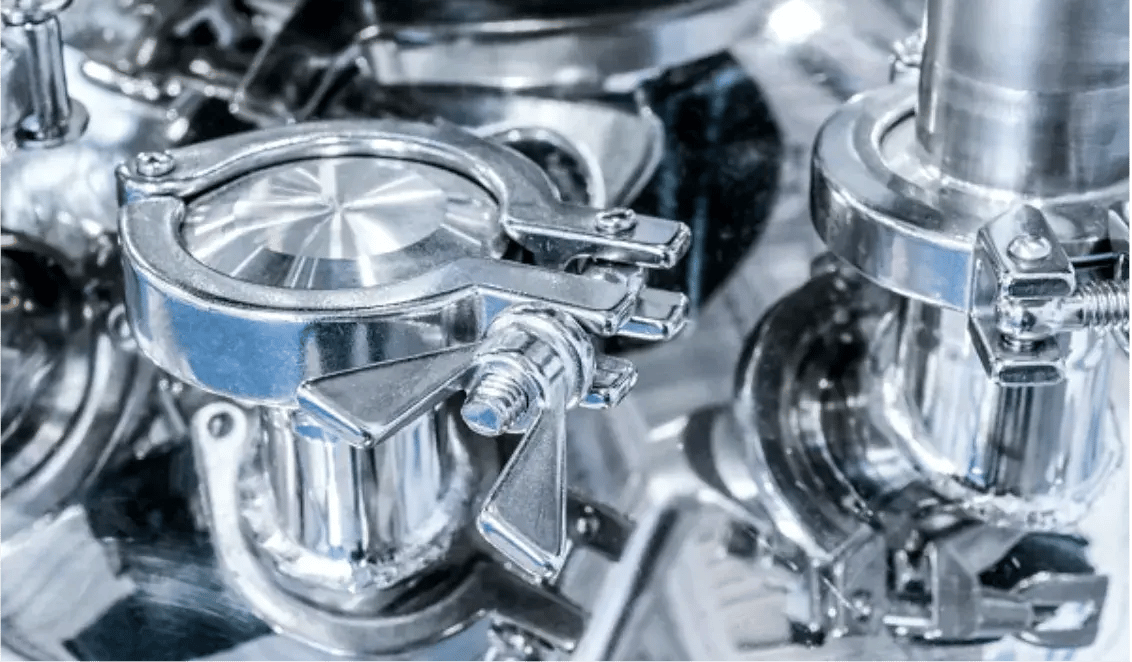
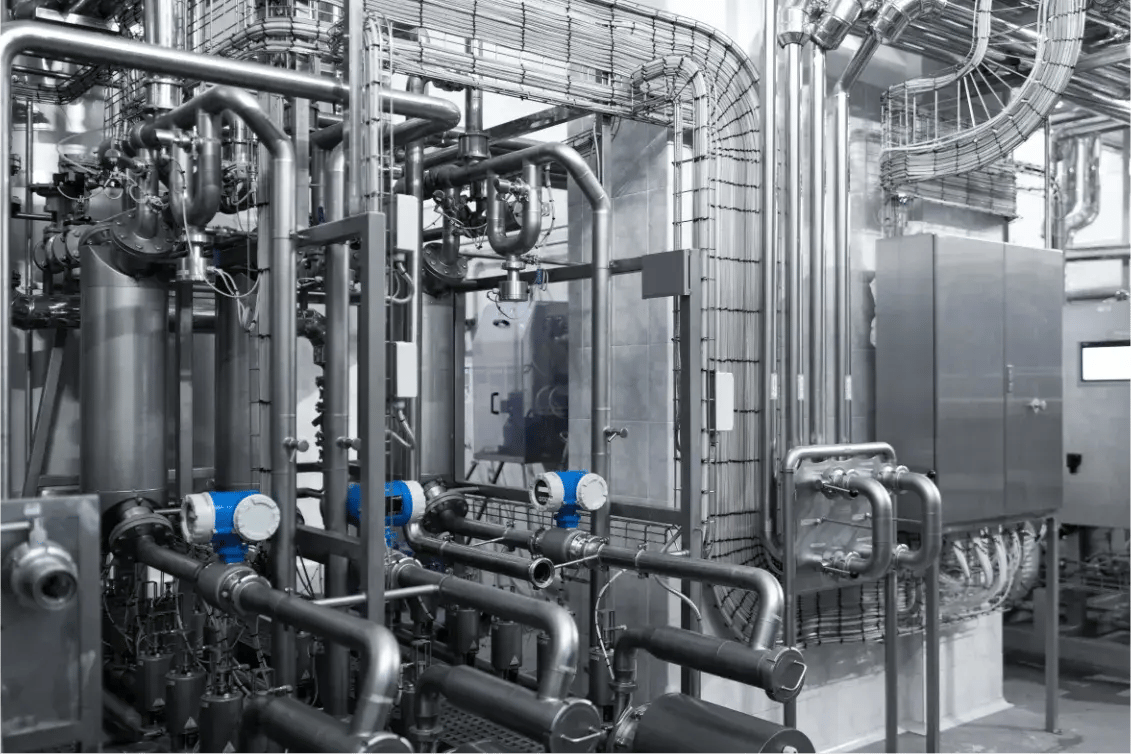
Passivation can directly contribute to the structural integrity – and therefore the longevity – of metal components. Surface damage can significantly weaken stainless steel and other metal alloys over time, increasing their risk of failure and necessitating more regular refurbishments. By preventing this degradation, passivation keeps your tanks, pipes, and machinery operating at a higher level for a greater length of time.
Longer Lasting Equipment: Passivation can directly contribute to the structural integrity – and therefore the longevity – of metal components. Surface damage can significantly weaken stainless steel and other metal alloys over time, increasing their risk of failure and necessitating more regular refurbishments. By preventing this degradation, passivation keeps your tanks, pipes, and machinery operating at a higher level for a greater length of time.
### Reduced waste:
Contaminated production equipment can easily contaminate products, with rouge and other surface contaminants leaching into valuable stock. In hygiene-sensitive sectors and those with a stringent regulatory landscape, such as food and drink, brewing, and pharmaceuticals, even trace amounts of contaminants can spoil products and lead to recalls and potentially fines – as well as endangering consumer safety.
Reduced waste: Contaminated production equipment can easily contaminate products, with rouge and other surface contaminants leaching into valuable stock. In hygiene-sensitive sectors and those with a stringent regulatory landscape, such as food and drink, brewing, and pharmaceuticals, even trace amounts of contaminants can spoil products and lead to recalls and potentially fines – as well as endangering consumer safety.
### Tough But Not Invincible.
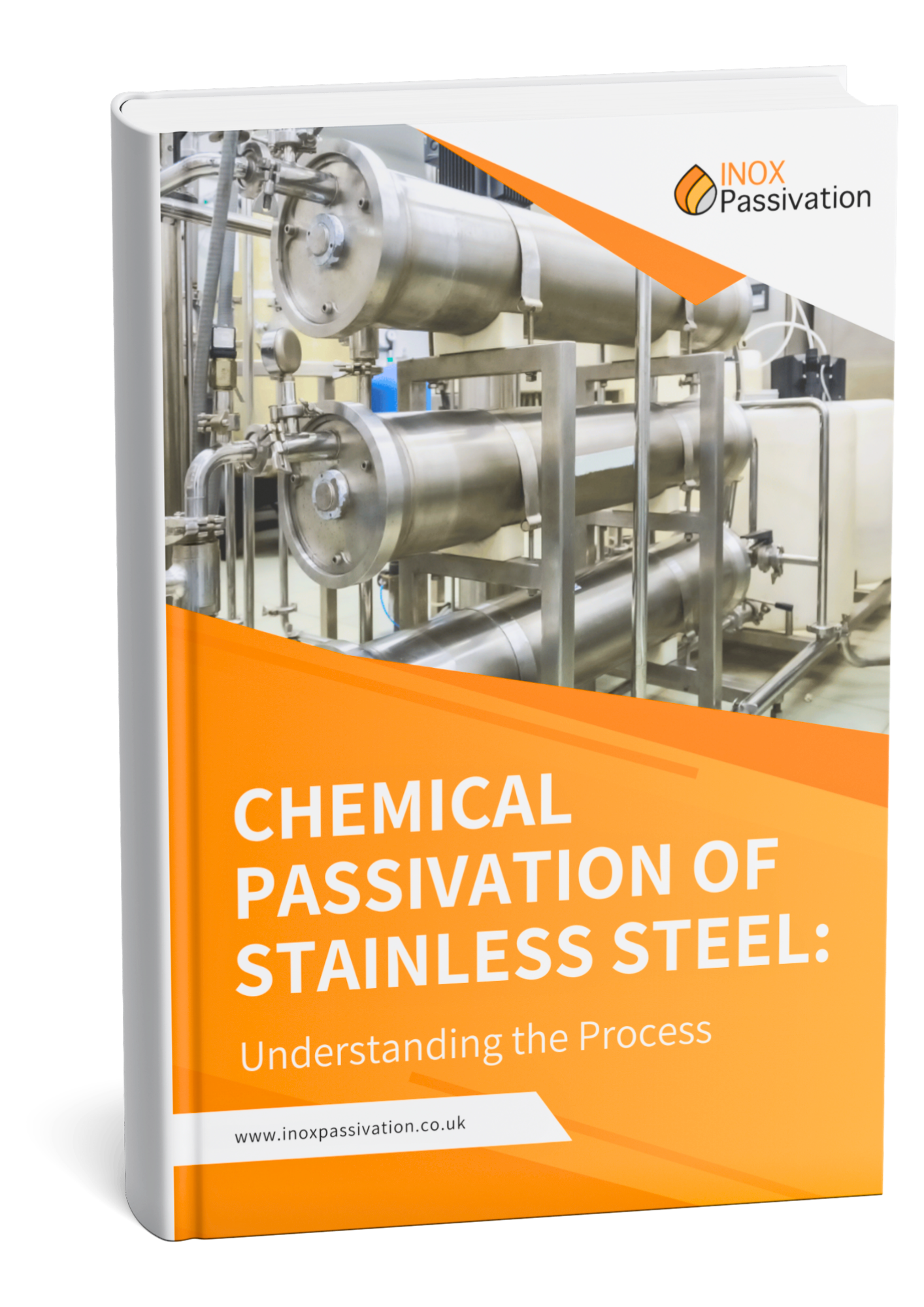
Stainless steel is strong, but even the toughest surfaces can corrode or become contaminated.
Traditional fixes like grinding or polishing may remove rust, but they can also damage surfaces and create compliance risks.
**Our Free Guide Explains:**
- **Step-by-step chemical passivation** and how it protects stainless steel
- **Benefits and compliance** to extend equipment life and meet industry regulations
- **Industry applications** with practical examples in food & beverage, pharma, and chemical processing
Don’t wait until it’s too late. Fill out the form to get your copy and start protecting your stainless steel equipment today.
### Submit Your Details
## Applications In Your Sector
Stainless steel passivation has practical benefits in multiple industries, enhancing the durability, functionality, and safety of stainless steel alloys. The process is especially beneficial in high purity industries, including:
### 1. Food and Beverage sector:
By removing free iron and other potential contaminants from the surface of your equipment and plant, the process helps you to sustain high levels of hygiene and ensure compliance.
#### Food Processing Equipment
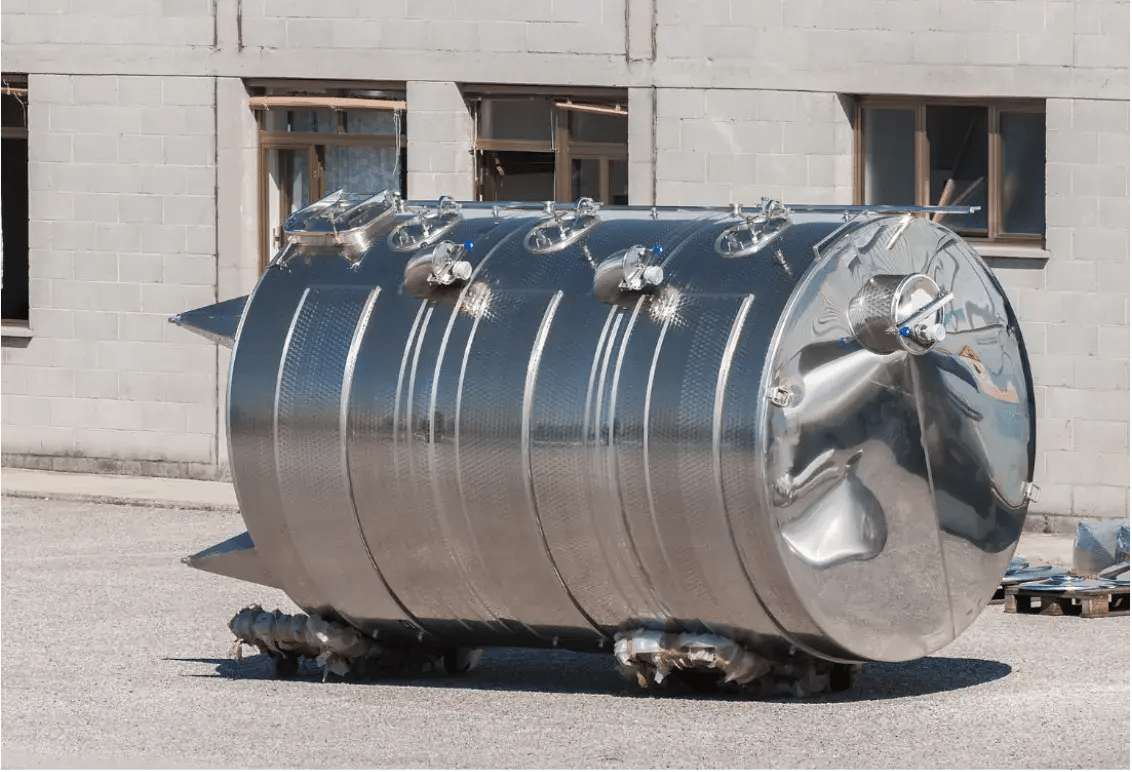
Including slicers, mixers, and conveyors that come into direct contact with food. Passivation prevents corrosion that could contaminate products, undermining their safety and quality.
#### Brewing Tanks
The acidic solutions used in brewing, as well as the constant exposure to moisture and heat, can corrode metal surfaces. Passivation increases the resistance of brewing tanks to these conditions, maintaining the purity of your product.
#### Dairy Machinery
Cream separators, pasteurisation systems, and other dairy equipment all benefit from passivation, making surfaces more resistant to bacteria and increasing the cleanliness and lifespan of your equipment.

.webp?width=1132&height=679&name=Ebook%20Inox%20Passivation%20-%20Chemical%20Passivation%20of%20Stainless%20Steel%20(7).webp)
### 2. Pharmaceutical Sector
The pharmaceutical and medical industries require a high degree of stability and precision from their manufacturing equipment, making stainless steel passivation an essential process for maintaining operational integrity.
- **Manufacturing Equipment -** Components such as mixing tanks and pipelines must be kept free of contaminants to avoid spoilage of medicines.
- **Bioreactors –** These important vessels, used for various biochemical processes and reactions, rely on regular passivation for stability. The passive layer not only avoids corrosion but also reduces the risk of biofilm buildup by preventing microbial adherence.
- **Storage Tanks –** Vessels used to store sensitive compounds and products benefit from a corrosion-resistant and contaminant-free surface. Passivation supports these requirements, helping you safeguard the quality of your products.
.webp?width=1132&height=772&name=Ebook%20Inox%20Passivation%20-%20Chemical%20Passivation%20of%20Stainless%20Steel%20(8).webp)
### 3. Chemical Processing Sector
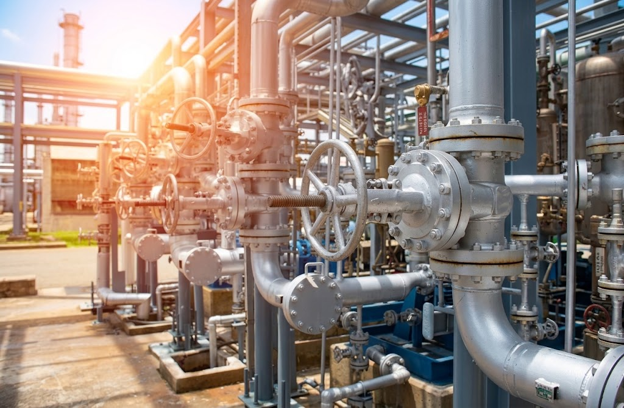
Chemical processing facilities are notoriously harsh, with vessels frequently exposed to strong alkalis, acids, humidity levels, and temperature variations. Passivation protects your stainless steel equipment and machinery, providing a robust barrier against harmful conditions.
- **Chemical Reactors –** Aggressive chemical substances can often corrode steel surfaces. Passivation restores the inherent corrosion resistant qualities of stainless steel by removing contaminates that were introduced during fabrication, extending the life of your assets.
- **Storage Tanks –** The storage tanks used in chemical plants must be strong enough to withstand regular exposure to corrosive substances.
- **Passivation -** A chemically cleaned tank will be less likely to suffer from corrosion issues whilst in service. The passivation layer essentially prevents the stainless steel from oxidising (rusting).
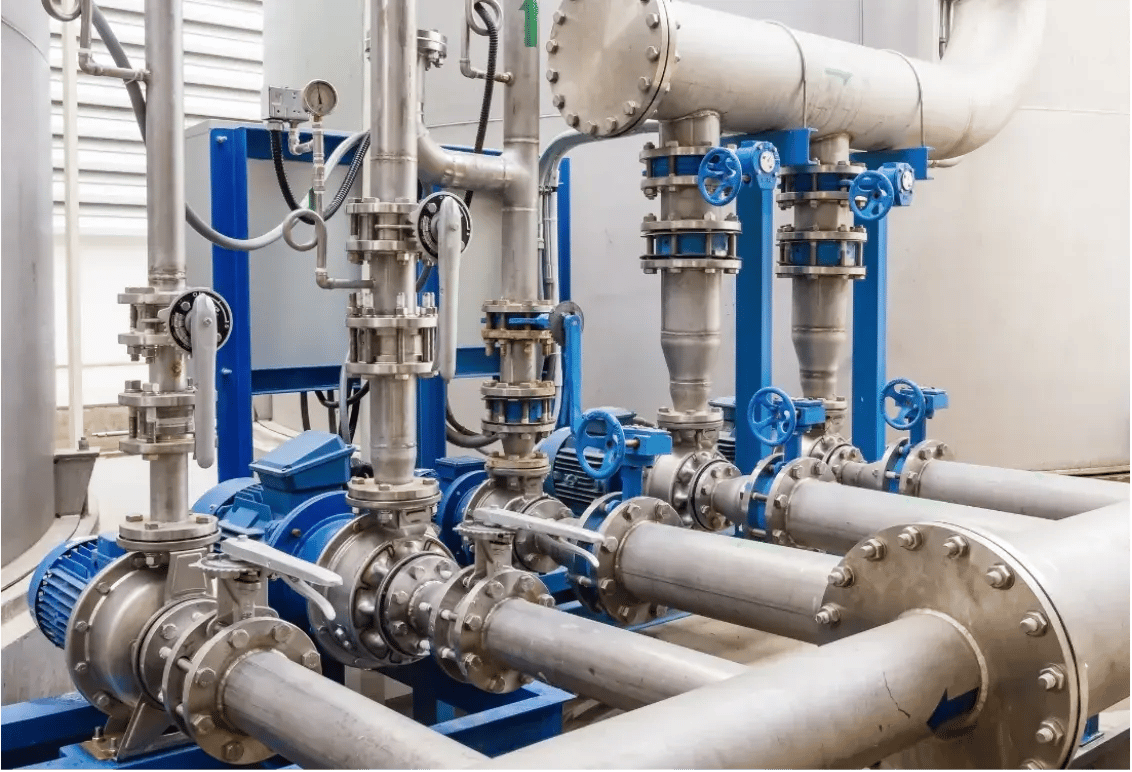
- **Pipework –** The pipes used to transport reactive substances should be passivated to reduce the risk of internal corrosion, which could trigger a hazardous leak.
- **Compliance Support:** As a potent method for increasing sanitation, efficiency, and hygiene standards, passivation can help you comply with a wide range of regulations and standards. For example, in the medical industry, passivation supports adherence to BS EN ISO 13485, which governs hygiene standards, product quality, and risk management for medical devices. The process can also help manufacturers to meet UKCA marking standards, confirming that the product aligns with British regulations on safety and performance. By eliminating surface contaminants and potential defects, passivated metal components and surfaces are better prepared to meet or exceed these regulatory benchmarks.
## How We Support You: Inox Passivation's Expertise
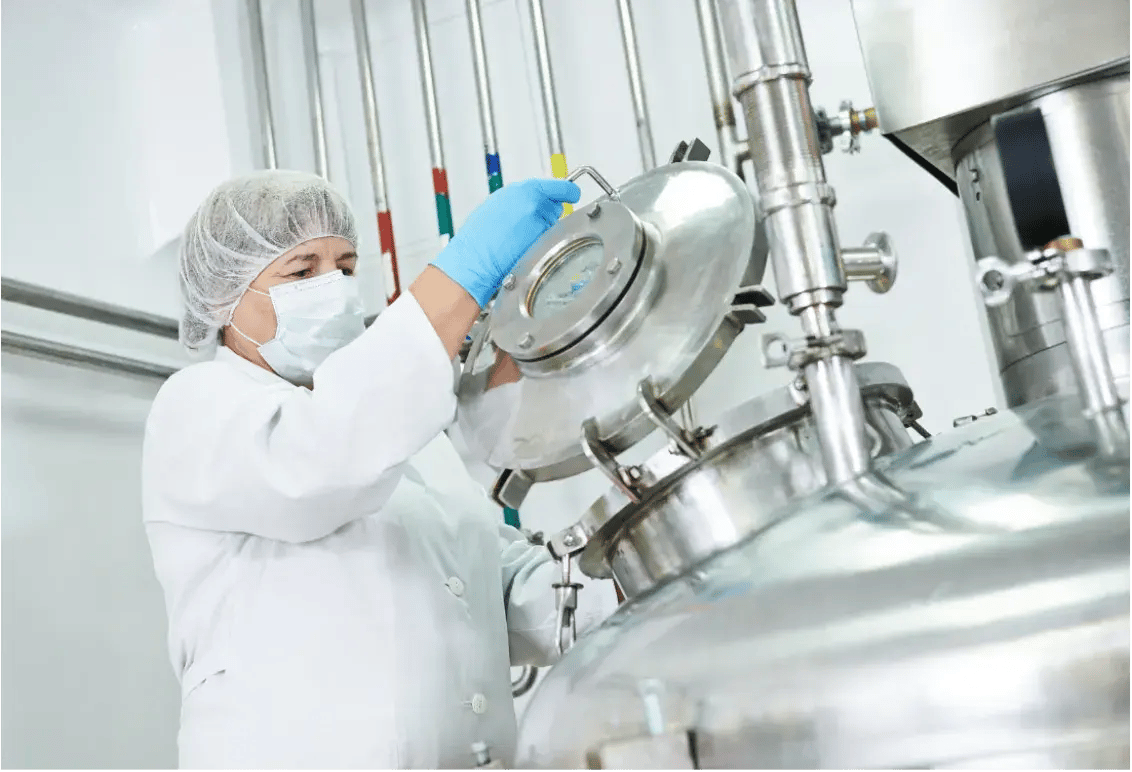
From pharmaceutical equipment to aerospace components and chemical processing plant, the team at Inox have a track record of successfully executing complex passivation projects across a range of demanding industries.
### Our Services Include:
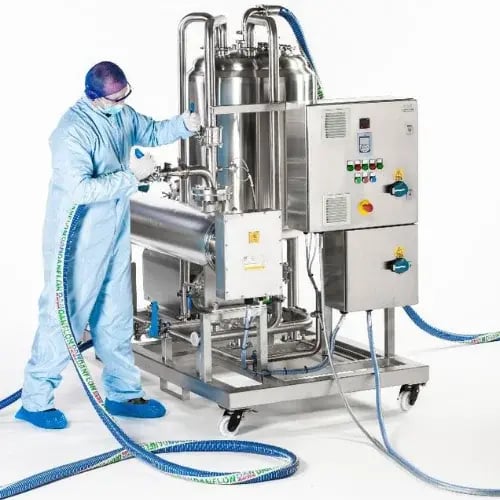
#### Stainless Steel Passivation
[Stainless Steel Passivation](https://www.inoxpassivation.co.uk/stainless-steel-passivation-process)
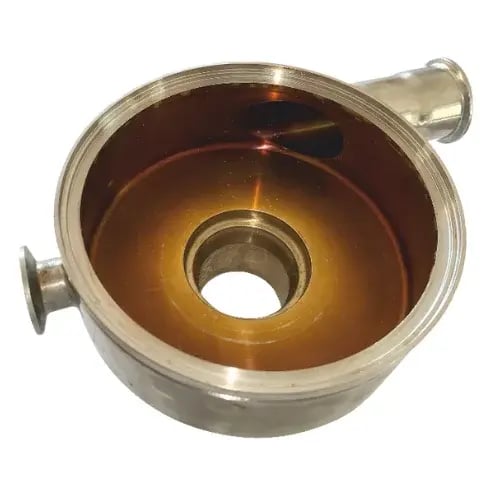
#### Derouging
[Derouging](https://www.inoxpassivation.co.uk/derouging-stainless-steel)
#### Oxygen Cleaning
[Oxygen Cleaning](https://www.inoxpassivation.co.uk/oxygen-cleaning-procedure)
#### Pickling
[Pickling](https://www.inoxpassivation.co.uk/pickling-of-stainless-steel)
#### Biofilm Removal
[Biofilm Removal](https://www.inoxpassivation.co.uk/biofilm-removal)
#### Riboflavin Testing
[Riboflavin Testing](https://www.inoxpassivation.co.uk/riboflavin-testing-for-vessels)
#### Pre-Commissioning Flushing
[Pre-Commissioning Flushing](https://www.inoxpassivation.co.uk/chilled-water-system-flushing-procedure)
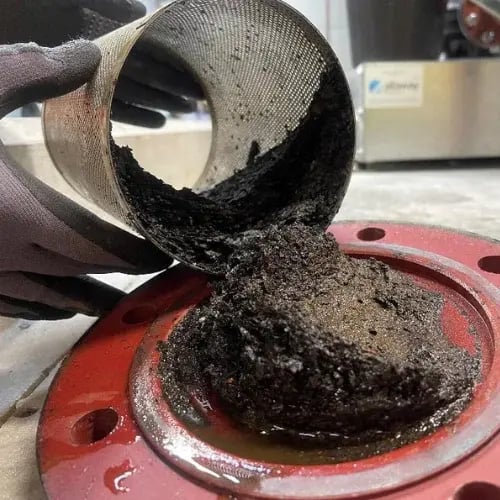
Using a combination of advanced chemical treatments and proven processes to ensure that your applications meet stringent industry standards, we can help you optimise the corrosion resistance of stainless steel surfaces and other critical alloys for maximum performance and durability.
Inox Passivation bring over 20 years’ specialist experience in high purity applications to each project, helping you maximise precision and reliability in your specific application. Each project is tailored to your operational objectives: combining scientific and technical expertise with attentive customer service, we aim to provide measurable value and durability in every service we deliver.
Inox Passivation is ISO 9001 certified, and our passivation services adhere to various internationally-recognised standards, including the British Stainless Steel Association (BSSA) standards, and the US ASTM A967 and ASTM B192 standards. Feel free to contact us directly to find out more and to discuss your project requirements.
## Next Steps
If you’d like to find out more about passivation and how our services can support you to improve hygiene, compliance, productivity, and standards in your application, please get in touch with the team at Inox Passivation today by[clicking here](https://www.inoxpassivation.co.uk/contact-us).
You can also call us with any questions on [01226 107077](tel:01226%20107077).
[Read Our Success Stories](https://www.inoxpassivation.co.uk/5-main-steps-to-derouging-guide)
[](https://www.inoxpassivation.co.uk/hs/cta/wi/redirect?encryptedPayload=AVxigLJff5uvreUQOSco4oW4d6obOaZ1g1zqCFWR5ZZ1HXKHDtvJ5PYnlyrC%2FV4PDv0Wb4Pp7n%2B4rMevjBnjARn7mOH8tf8PYxKNAXB6wtYi%2BibTiOOKicnf%2Fgyuz4umAzJ00DSak0SnbZ7MwSx4OEFqrzNy64v5nRWvXDfajh84LtapaBNXLHqx9cQMRzzqZWuNkF06s6K5RefGS2U7Fho63bOGuwlWTVH4e670PLQy48gdL9eH&webInteractiveContentId=300123451602&portalId=144263954)
---
### Submit A Question Or Enquiry And Speak To One Of Our Experts To Find Out More!
Submit an enquiry with your question, to give us a brief or to request a call back from one of our experts.
**When you get in touch with INOX:**
We'll contact you back as soon as we are able to
We'll always aim to provide 'best advice' for your business
We offer a free initial consultation
Your information is treated in the strictest confidence
**You can ask us for advice or help on any or all of the following: **
- Passivation
- Derouging
- Oxygen Cleaning
- Biofilm Removal
- Riboflavin Testing
- Pre-Commissioning Flushing
- Carbon Steel Pickling
**Simply confirm your details on the form provided and we'll be in touch ASAP. We look forward to hearing from you!**
Table of Contents
- [Chapter I: Introduction](https://www.inoxpassivation.co.uk/chemical-passivation-of-stainless-steel-pillar-page#chapter-1)
- [Chapter II: How to create amazing Pillar pages](https://www.inoxpassivation.co.uk/chemical-passivation-of-stainless-steel-pillar-page#chapter-2)
- [Chapter III: How to promote your Pillar page](https://www.inoxpassivation.co.uk/chemical-passivation-of-stainless-steel-pillar-page#chapter-3)
- [Chapter IV: How to optimize your Pillar page](https://www.inoxpassivation.co.uk/chemical-passivation-of-stainless-steel-pillar-page#chapter-4)
- [Chapter V: Conclusions](https://www.inoxpassivation.co.uk/chemical-passivation-of-stainless-steel-pillar-page#chapter-5)
Chapter I: Introduction
Related Articles
## From Our Blog
Stay up to date with what is new in our industry, learn more about the upcoming products and events.
[Why Citric Acid Is Used For Passivation of Stainless Steel](https://www.inoxpassivation.co.uk/blog/citric-acid-passivation-stainless-steel)
[Passivation Of Stainless Steel](https://www.inoxpassivation.co.uk/blog/tag/passivation-of-stainless-steel)
#### Why Citric Acid Is Used For Passivation of Stainless Steel
September 24, 2026 1 min read
[The Benefits Of Chemical Cleaning For Stainless Steel Equipment](https://www.inoxpassivation.co.uk/blog/what-are-the-benefits-of-stainless-steel-chemical-cleaning)
[Passivation Of Stainless Steel](https://www.inoxpassivation.co.uk/blog/tag/passivation-of-stainless-steel)
#### The Benefits Of Chemical Cleaning For Stainless Steel Equipment
September 17, 2026 2 min read
[6 Key Main Differences Between ASTM A380 vs A967 Passivation Processes](https://www.inoxpassivation.co.uk/blog/differences-between-astm-a380-vs-a967)
-1.png)
[Passivation Of Stainless Steel](https://www.inoxpassivation.co.uk/blog/tag/passivation-of-stainless-steel)
#### 6 Key Main Differences Between ASTM A380 vs A967 Passivation Processes
September 8, 2026 2 min read
[Subscribe to Our Blog](https://www.inoxpassivation.co.uk/blog)
[](https://www.inoxpassivation.co.uk/)
[sales@inoxpassivation.com](mailto:sales@inoxpassivation.com)
[+44 01226 107077](tel:+441226107077)
Business Village
Innovation Way
Barnsley
S75 1JL
- 
- 
About
- Who We Supply & How We Help
Who We Help
- [Pharma & Medical](https://www.inoxpassivation.co.uk/passivation-process-pharmaceutical-industry)
- [Food & Beverage](https://www.inoxpassivation.co.uk/food-and-beverage-biofilm-removal)
- [Power Generation](https://www.inoxpassivation.co.uk/steel-plant-cleaning)
Services
- [Passivation](https://www.inoxpassivation.co.uk/stainless-steel-passivation-process)
- [Derouging](https://www.inoxpassivation.co.uk/derouging-stainless-steel)
- [Oxygen Cleaning](https://www.inoxpassivation.co.uk/oxygen-cleaning-procedure)
- [Pickling & Passivation](https://www.inoxpassivation.co.uk/pickling-of-stainless-steel)
- [Biofilm Removal](https://www.inoxpassivation.co.uk/biofilm-removal)
- [Riboflavin Testing](https://www.inoxpassivation.co.uk/riboflavin-testing-for-vessels)
- [Pre-commission Flushing](https://www.inoxpassivation.co.uk/chilled-water-system-flushing-procedure)
- [Carbon Steel Pickling](https://www.inoxpassivation.co.uk/pickling-of-carbon-steel-pipe)
Resources
- [Blogs](https://www.inoxpassivation.co.uk/blog)
- Testimonials
- [Case Study](https://www.inoxpassivation.co.uk/case-study-rapid-system-re-passivation-for-a-pharmaceutical-manufacturer)
- [FAQs](https://www.inoxpassivation.co.uk/faqs)
- [Contact Us](https://www.inoxpassivation.co.uk/contact-us)
- [Chemical Passivation: The Process](https://www.inoxpassivation.co.uk/chemical-passivation-of-stainless-steel-pillar-page)
Copyright © 2026 INOX Passivation. Website by [JDR Group](https://www.jdrgroup.co.uk/)
- [Terms and Conditions](https://144263954.hs-sites-eu1.com/terms-and-conditions)
- [Cookie Policy](https://144263954.hs-sites-eu1.com/cookie-policy)
- [Privacy Policy](https://144263954.hs-sites-eu1.com/privacy-policy)
- [Terms and Conditions of Hire](https://www.inoxpassivation.co.uk/terms-and-conditions-of-hire)
- Company Number: 12055500
- VAT: 330802244
```json
{
"@context" : "https://schema.org",
"@type" : "LocalBusiness",
"address" : {
"@type" : "PostalAddress",
"addressCountry" : "UK",
"addressLocality" : "Barnsley",
"postalCode" : "S75 1JL",
"streetAddress" : "Innovation Way, Business Village"
},
"alternateName" : "Inox Passivation",
"contactPoint" : {
"@type" : "ContactPoint",
"areaServed" : "GB",
"availableLanguage" : "en",
"contactType" : "customer service",
"telephone" : "+44 1226 107077"
},
"geo" : {
"@type" : "GeoCoordinates",
"latitude" : 53.5511,
"longitude" : -1.5016
},
"image" : "https://www.inoxpassivation.co.uk/hs-fs/hubfs/who%20we%20supply%20and%20who%20we%20help.webp",
"logo" : "https://www.inoxpassivation.co.uk/hs-fs/hubfs/Images/InoxPassivation-Logo.webp?width=275&height=79&name=InoxPassivation-Logo.webp",
"name" : "Inox Passivation Ltd",
"openingHours" : [ "Mo 09:00-18:00", "Tu 09:00-18:00", "We 09:00-18:00", "Th 09:00-18:00", "Fr 09:00-18:00", "Sa Closed", "Su Closed" ],
"priceRange" : "£",
"sameAs" : [ "https://x.com/PassivationInox", "https://www.linkedin.com/company/inox-passivation/" ],
"telephone" : "+44 01226 107715",
"url" : "https://www.inoxpassivation.co.uk/"
}
```