
Carbon Steel Pickling

Request A Quote

Preventative Cleaning Extends Lifespan of Carbon Steel Equipment

Carbon steel pipelines, vessels, heat exchangers and other equipment are often contaminated with scale, deposits and rust. If left untreated, these contaminants can reduce efficiency and even damage your plant. Filters and other small-orifices can become blinded and in high-pressure gas systems, pieces of scale can travel around the system at very high velocities, damaging sensitive equipment and soft seals and gaskets.

Chemically cleaning (pickling) your carbon steel system pre-commissioning can extend its operating lifespan and reduce maintenance costs. Scale and rust can be preferentially removed by the use of inhibited acids. Our chemicals will dissolve the ferrous contaminants, whilst leaving the base material clean and ready for service. After pickling, a temporary corrosion-resistant layer / rust inhibitor is applied.

Speak To An Expert
carbon steel pipe that needs carbon steel pickling


Frequently Asked Questions

Does my equipment need pickling?

Scale is formed on the surface after hot-working processes. In  many cases, this scale appears to be continuous and tightly adhered. However, if the media that is carried in your system is likely to cause any degree of corrosion (including water), then over time, the scale can come loose and detach from the surface. We would always recommend pickling / descaling of carbon steel equipment that is susceptible to damage / restriction from scale and other corrosion debris.

Will pickling damage my equipment/system?

If the pickling process is carefully controlled, it will not damage your equipment. Rigorous checks should be made to confirm that all materials within your equipment/system is compatible with the pickling chemistry. 

How long does the pickling process take?

Pickling times are subject to the system volume, temperatures, severity of corrosion debris, and various other factors. All things being well, a thorough degreasing, pickling and passivation process should be possible within 3 to 4 days. Larger systems will take longer.

Can you passivate carbon steel?

No. Passivation is the removal of free-iron contamination from the steel surface so that a passive layer can form. This is not possible with carbon steel. The surface would just start to oxidise (rust). Pickling will remove scale and heavy rust. After pickling, carbon steel will quickly flash-rust. A final process that removes the flash-rusting and leaves a temporary corrosion-resistant layer is required. This is usually achieved by flushing with a phosphate product, ammonium-citrate or other corrosion inhibitor.

Back to top
FAQ Icon for questions on pickling carbon steel
Related Articles

From Our Blog

Submit A Question Or Enquiry And Speak To One Of Our Experts To Find Out More!

Submit an enquiry with your question, to give us a brief or to request a call back from one of our experts.

When you get in touch with INOX:

  We'll contact you back as soon as we are able to
  We'll always aim to provide 'best advice' for your business
  We offer a free initial consultation
  Your information is treated in the strictest confidence 

You can ask us for advice or help on any or all of the following: 

Simply confirm your details on the form provided and we'll be in touch ASAP. We look forward to hearing from you!

Related Articles

From Our Blog

6 Key Main Differences Between ASTM A380 vs A967 Passivation Processes
astm a380 vs a967 stainless steel passivation process

6 Key Main Differences Between ASTM A380 vs A967 Passivation Processes

September 8, 2026 2 min read
Understanding The Key Types Of Audits Used In The Pharmaceutical Industry

Audit checklist with completed checks representing quality and compliance audits in the pharmaceutical industry.

Understanding The Key Types Of Audits Used In The Pharmaceutical Industry

August 20, 2026 2 min read
Understanding The Passivation Process For Different Industries
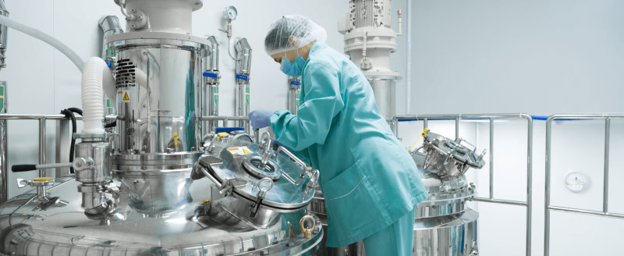
Stainless steel processing equipment in a controlled facility representing the passivation process used across different industries.

Understanding The Passivation Process For Different Industries

August 6, 2026 2 min read